
page_banner

Products

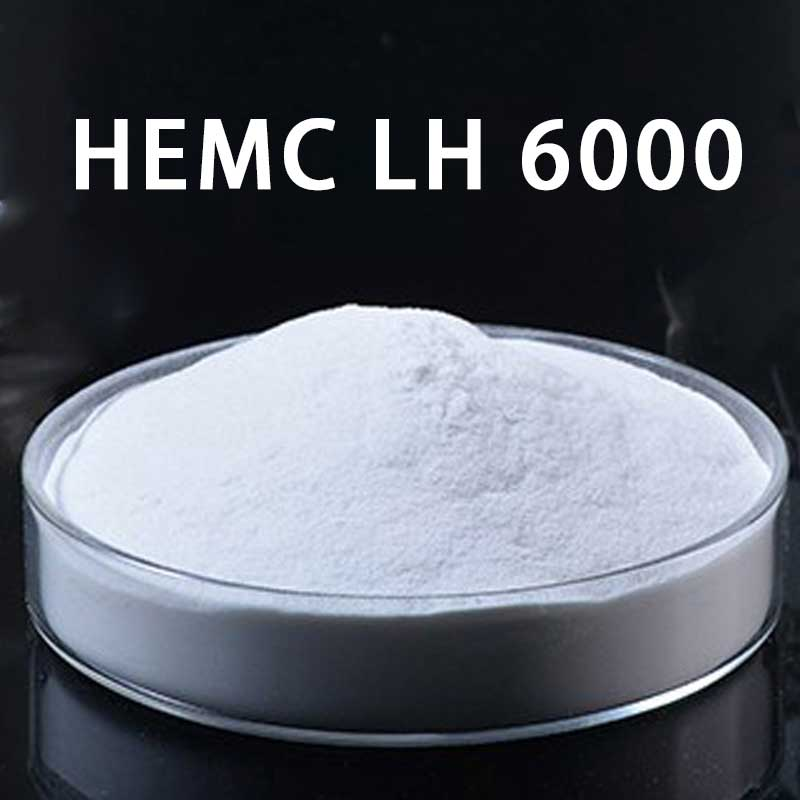
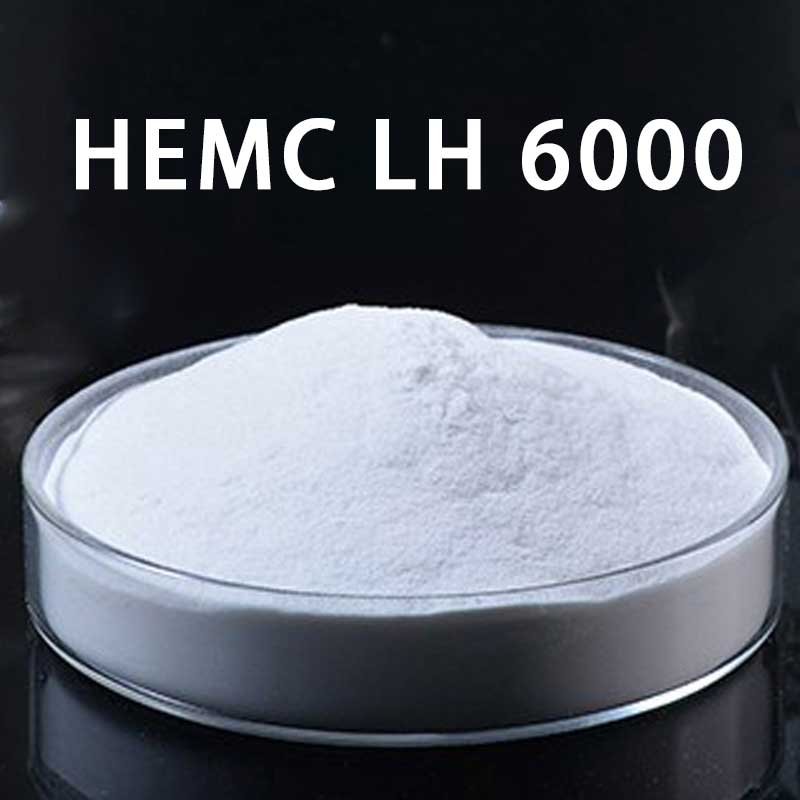
HEMC LH 6000

EipponCell® HEMC LH 6000 hydroxyethyl methyl cellulose is a non-ionic cellulose mixed ether made through a chemical process involving cotton, wood alkalized, ethylene oxide, and methyl chloride ether.    Currently, the production process of HEMC can be categorized into two main methods: the liquid phase method and the gas phase method. In the liquid phase method, the equipment used has relatively low internal pressure requirements, making it less risky.    The cellulose is soaked in lye, leading to full swelling and alkalization.    The osmotic swelling of the liquid benefits cellulose, resulting in HEMC products with a relatively uniform degree of substitution and viscosity.    Moreover, the liquid phase method allows for easy product variety substitution.    However, the production capacity of the reactor is limited (typically below 15m3), making it necessary to increase the number of reactors for higher production.    Additionally, the reaction process requires a considerable amount of organic solvent as a carrier, leading to longer reaction times (generally exceeding 10 hours), increased solvent distillation recovery, and higher time costs. On the other hand, the gas-phase method involves compact equipment and offers high single-batch yields.    The reaction takes place in a horizontal autoclave, with a shorter reaction time (usually 5-8 hours) compared to the liquid phase method.    This method does not require a complex solvent recovery system.    After the reaction is completed, the excess methyl chloride and the by-product dimethyl ether are recycled and reused separately through a recovery system.    The gas-phase method boasts lower labor costs and reduced labor intensity, resulting in overall lower production costs compared to the liquid phase method.    However, the gas-phase method requires a significant investment in equipment and automatic control, leading to higher technical content and associated costs.  Where to buy Cas HEMC LH 6000


Product Detail

Product Tags

Specification of HEMC LH 6000

Chemical name Hydroxyethyl Methyl Cellulose
Synonym Cellulose ether,2-hydroxyethyl methyl cellulose, Cellulose, 2-hydroxyethyl methyl ether, Methyl hydroxyethyl cellulose, HEMC, MHEC
CAS number 9032-42-2
Brand EipponCell
Product Grade HEMC LH 6000
Solubility Water Soluble Cellulose ether
Physical form White to off-white cellulose powder
Moisture Max.6%
PH 4.0-8.0
Viscosity Brookfield 2% solution 4800-7200mPa.s
Viscosity NDJ 2% solution 4800-7200mPa.s
Ash content Max5.0%
Mesh size 99% pass 100mesh
HS code 39123900

Application of HEMC LH 6000

EipponCell® HEMC LH 6000 Cellulose ether is a versatile additive used in thermal insulation mortar. Its incorporation into the mortar formulation has a notable effect on the drying shrinkage of the material. Interestingly, as the content of hydroxyethyl methylcellulose increases, the drying shrinkage initially decreases and then increases. The lowest and highest shrinkage values are observed at 2.4% and 3% content, respectively.

Similarly, inorganic thermal insulation mortar also exhibits a similar trend in mass loss and drying shrinkage with the addition of cellulose ether. The mass loss decreases initially, reaching its minimum at a 3% content, but then increases with further increments of cellulose ether. Notably, the mass loss and drying shrinkage are not directly related.

The addition of hydroxyethyl methylcellulose positively impacts the pore size distribution in the thermal insulation mortar. Multiple peaks appear in the pore sizes below 5nm and 10nm, leading to a trend of first decreasing and then increasing in pore sizes below 10nm as the cellulose ether content increases. When the dosage of cellulose ether reaches 3%, the pore diameter of less than 10nm is higher than in other inorganic thermal insulation mortars.

Furthermore, the content of cellulose ether influences the most probable pore size, which exhibits a pattern of increasing and then decreasing. Smaller, most likely pore sizes correspond to larger drying shrinkage values, while larger most probable pore sizes are associated with smaller drying shrinkage values.

Documents of HEMC LH 4000

Recommended HEMC for Building & Construction
swredf (2)
sdytdf (1)

Address

 Mayu Chemical Industry Park, Jinzhou City, Hebei, China

E-mail

sales@yibangchemical.com

Tel/Whatsapp

+86-311-8444 2166
+86 13785166166 (Whatsapp/Wechat)
+86 18631151166 (Whatsapp/Wechat)


  • Previous:
  • Next:

  • Write your message here and send it to us

    Latest information

    news

    news_img
    Methyl hydroxypropyl cellulose (HPMC) cellulose ether is one of the most important base materials used in mortar. It has good water retention, adhesion and thixotropic characteristics due to ...

    HPMC Manufacturer Insights: How Vis...

    For applications such as tile adhesives, dry-mix mortars, wall putty, and plasters, viscosity stability is one of the most critical performance indicators of HPMC (Hydroxypropyl Methylcellulose). Inconsistent viscosity can lead to poor workability, unstable open time, and unpredictable applicatio...

    Eco-Friendly HPMC Manufacture Suppo...

    As the construction industry increasingly prioritizes sustainability, the demand for eco-friendly additives has grown. HPMC (Hydroxypropyl Methylcellulose) plays a vital role in modern construction materials such as tile adhesives, mortars, plasters, and wall putty, enhancing workability, water r...

    Quality Control in HPMC Manufacturi...

    In the production of HPMC (Hydroxypropyl Methylcellulose), quality control is the cornerstone of performance, consistency, and reliability. For applications like tile adhesives, dry-mix mortars, wall putty, and plasters, HPMC quality directly affects water retention, workability, and bonding stre...