
page_banner

Products

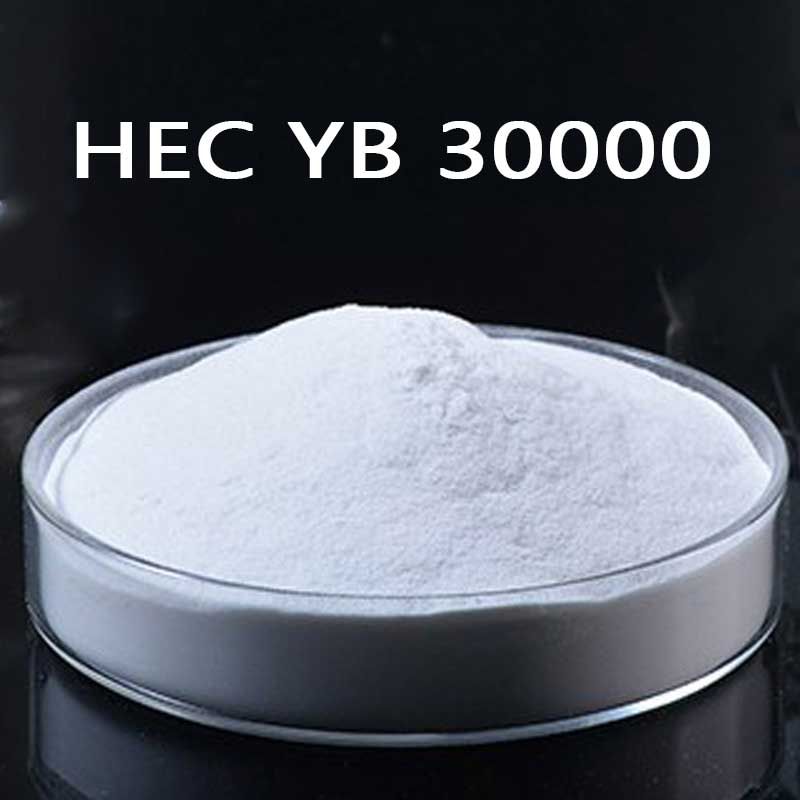
HEC YB 30000

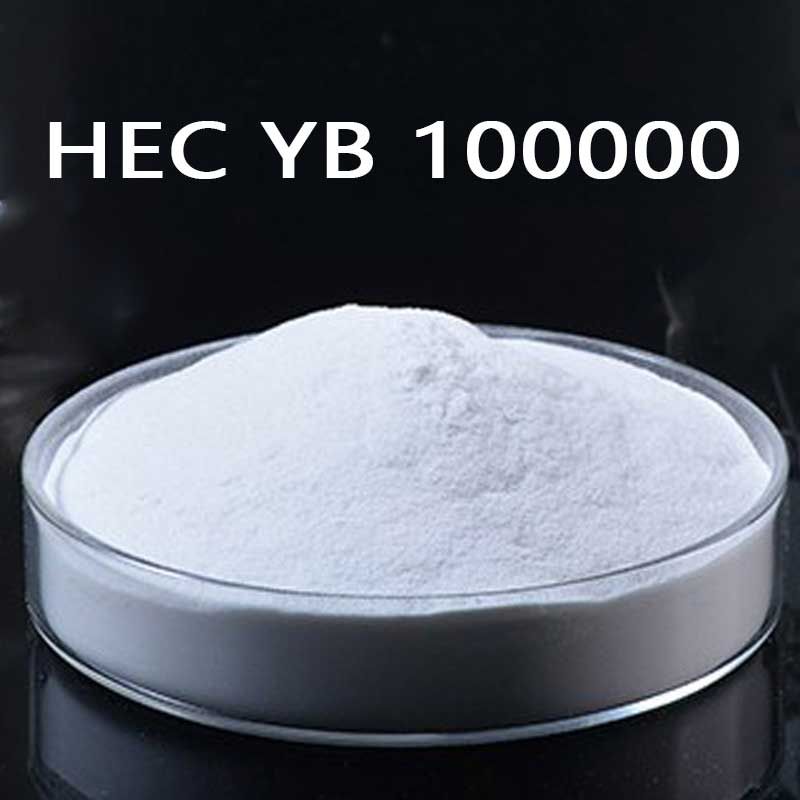
EippponCell® HEC YB 30000 Hydroxyethyl cellulose stands out as a non-ionic cellulose ether, renowned for its superior attributes in various domains such as thickening, emulsification, film formation, protective colloids, moisture retention, adhesion, anti-allergic properties, and more.   When compared to its ionic cellulose ether counterparts, HEC excels in these aspects.


The applications of HEC span a wide array of industries, including oilfield mining, latex coatings, polymer polymerization, construction materials, daily consumer products, food production, pharmaceuticals, papermaking, textile printing, and dyeing.   As domestic urbanization in China continues to accelerate, the demand for HEC-based products is expected to witness consistent annual growth.   Furthermore, the expansive rural regions in China offer additional opportunities for increased downstream product demand.

In this evolving landscape, the emphasis will undoubtedly shift towards improving product quality to remain competitive in a dynamic market.   Increasingly stringent quality and cost-performance standards will be the order of the day.   Looking ahead, product quality and brand recognition will emerge as the focal points of competition.   Breaking through technical barriers and ensuring product stability will be pivotal in securing sustainable growth in the future market.

Where to buy Cas HEC YB 30000


Product Detail

Product Tags

Specification of HEC YB 30000

Chemical name Hydroxyethyl Cellulose
Synonym 2-Hydroxy ethyl cellulose; Cellulose hydroxyethyl ether, Cellulose ether, Hydroxyethyl Cellulose
CAS number 9004-62-0
Brand EipponCell
Product Grade HEC YB 30000
Solubility Water Soluble Cellulose ether
Physical form White to off-white cellulose powder
PH(1%) 5.0-8.0
Degree of substitution 1.8-2.5
Viscosity Brookfield, 1% solution 1500-2500 mPa.s
Viscosity NDJ 2% Solution 24000-36000 mPa.s
Moisture Max5%
Ash content Max5%
HS code 39123900

Application of HEC YB 30000

EipponCell® HEC YB 30000 Hydroxyethyl cellulose plays a pivotal role in various aspects of everyday life.   Take the textile industry, for instance, where HEC-treated cotton, synthetic fibers, or blends exhibit enhanced characteristics.   These include improved wear resistance, dyeing capabilities, fire resistance, and resistance to stains.   Additionally, they gain increased stability, particularly in terms of shrinkage and durability.   Synthetic fibers, in particular, benefit from enhanced breathability and reduced static electricity.

In the realm of textile printing and dyeing, HEC demonstrates its thickening capabilities.   It serves as an effective carrier for dyes, ensuring their even dispersion, thus contributing to excellent permeability.   This, in turn, ensures the accuracy and stability of patterns and colors, a critical factor in textile design and production.

Moreover, in the field of papermaking, HEC finds diverse utility as a sizing agent, a strength enhancer, and a modifier for paper.   Its multifaceted applications underscore its versatility and indispensable role across various industries.

Documents of HEC YB 30000

Recommended Hydroxyethylcellulose for Paint
avcav (1)
avcav (3)

Address

 Mayu Chemical Industry Park, Jinzhou City, Hebei, China

E-mail

sales@yibangchemical.com

Tel/Whatsapp

+86-311-8444 2166
+86 13785166166 (Whatsapp/Wechat)
+86 18631151166 (Whatsapp/Wechat)


  • Previous:
  • Next:

  • Write your message here and send it to us

    Latest information

    news

    news_img
    Methyl hydroxypropyl cellulose (HPMC) cellulose ether is one of the most important base materials used in mortar. It has good water retention, adhesion and thixotropic characteristics due to ...

    Improving Mortar Durability with Ki...

    Durability is essential in modern construction materials, especially when dealing with cement-based mortars that must withstand moisture, temperature changes, structural movement, and long-term mechanical stress. Among all mortar additives, cellulose ethers play one of the most crucial roles in m...

    Choosing the Right Viscosity HPMC f...

    Selecting the correct viscosity grade of Hydroxypropyl Methyl Cellulose (HPMC) is a decisive factor in tile adhesive formulation. Viscosity affects workability, water retention, open time, slip resistance and ultimately the adhesive’s bond strength. Using the wrong HPMC viscosity can lead to poor...

    How Kingmax Supports Global Constru...

    In today’s rapidly evolving construction industry, material manufacturers demand additives that deliver performance stability, competitive cost advantages, and long-term supply reliability. Kingmax continues to stand out as a trusted partner to global construction material brands through advanced...