
Products

HPMC YB 810M
Specification of HPMC YB810M
| Chemical name | Hydroxypropyl Methyl Cellulose |
| Synonym | Hypromellose; Cellulose, 2-hydroxypropylmethyl ether; hydroxypropyl methyl cellulose; HPMC; MHPC |
| CAS number | 9004-65-3 |
| EC Number | 618-389-6 |
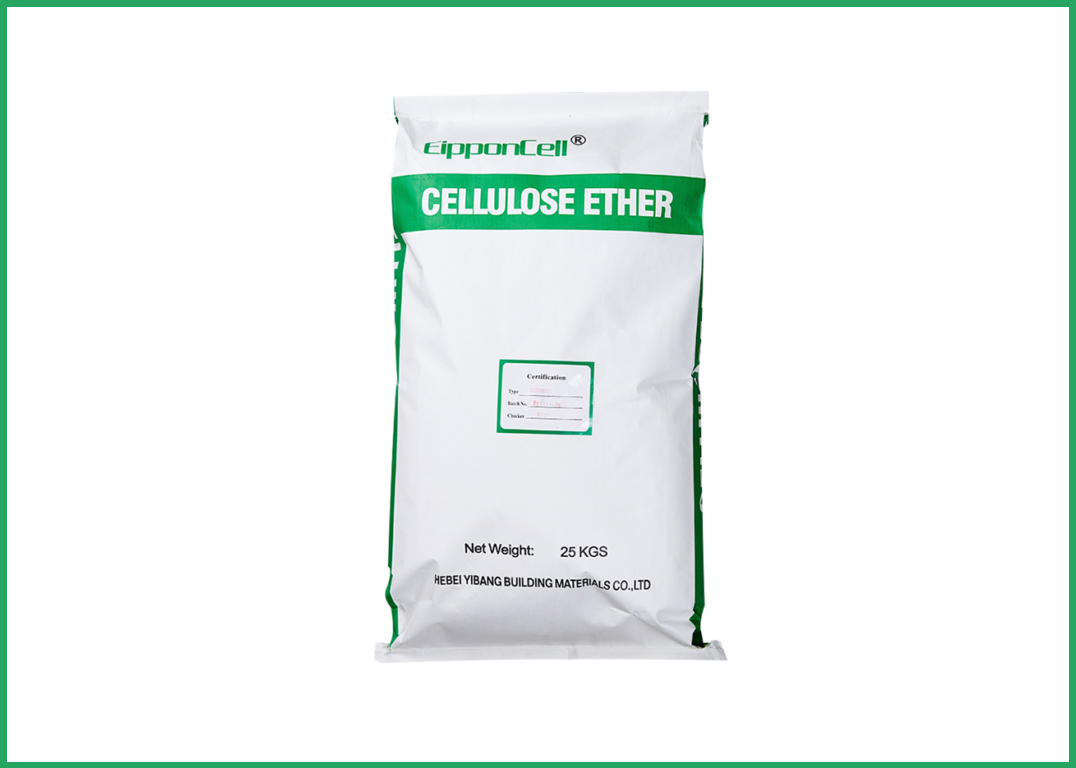
| Brand | EipponCell |
| Product Grade | HPMC YB 810M |
| Solubility | Water Soluble Cellulose ether |
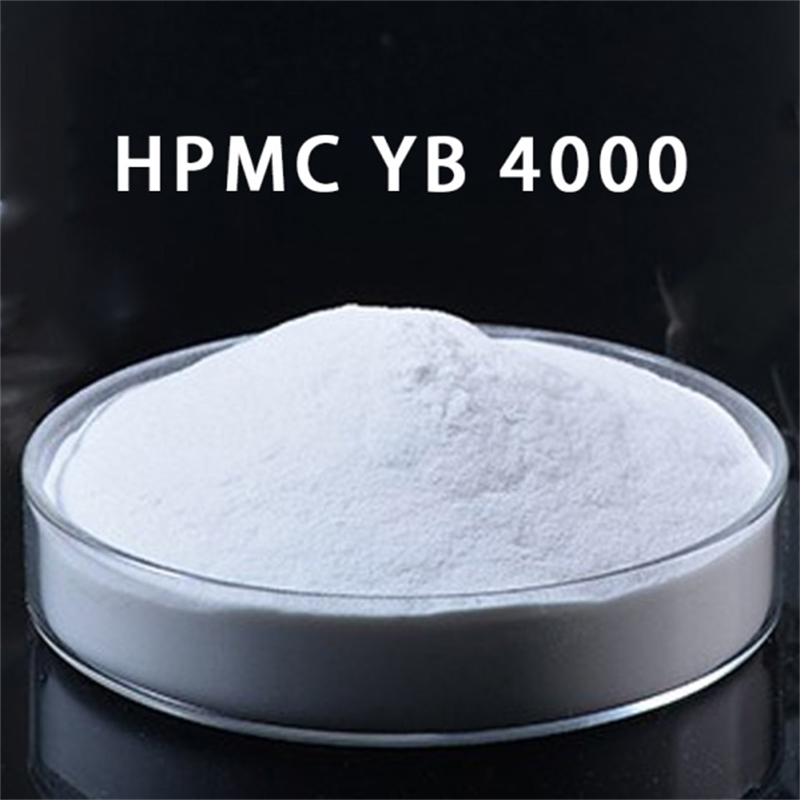
| Physical form | White to off-white cellulose powder |
| Moisture | Max.6% |
| PH | 4.0-8.0 |
| Viscosity Brookfield 2% solution | 8000-12000 mPa.s |
| Viscosity NDJ 2% solution | 8000-12000 mPa.S |
| Ash content | Max5.0% |
| Mesh size | 99% pass 100mesh |
Application of HPMC YB 810M
In Ceramic manufacturing, EipponCell HPMC YB 810M is widely used as a binder in the manufacture of ceramic products, Adding HPMC in the production of ceramic technology increases the plasticity and strength of the embryo body or glaze, greatly increases the lubrication effect, and is beneficial to ball milling. In addition, the suspension and stability are greatly enhanced, the porcelain is fine and soft, and the color is soft. The glaze machine is smooth, has good light transmittance, anti-collision, and has certain mechanical strength. HPMC has thermal gelling properties and is used as a binder in ceramic production.
Silicon carbide honeycomb ceramics is a new type of ceramic product with a honeycomb-like structure developed in the past year. From the earliest use in the exhaust gas purification of small cars to today, it is widely used in chemical industry, electric power, metallurgy, petroleum, electronic appliances, machinery and other industries, and it is becoming more and more widespread, with considerable development prospects. Silicon carbide honeycomb ceramics for automobiles relates to a high-purity silicon carbide honeycomb ceramic trap for efficiently trapping diesel engine exhaust particles. Pure silicon carbide is selected as porous ceramic aggregate, nano-silicon carbide is used as sintering aid, ceramic bone The ratio of material to sintering aid is controlled at 100:1~15; organic matter such as methyl cellulose ether and tung oil is used as a binder and plastic forming agent and mixed with an appropriate amount of water, and the ratio of organic matter to water is controlled at 1:1~3. Within the scope; the extruded green body is obtained by extrusion molding process, and the non-solid phase content is controlled at 13~31% by adjusting the ratio and dosage of organic binder and molding agent; the green body is removed by microwave heating first and then oven drying The moisture in the green body; the organic components in the green body are removed by conventional heating methods; the normal pressure sintering is used to adjust and change the honeycomb ceramic material by changing the average size of micron-sized particles, changing the amount of nano-sintering aids, and changing the firing temperature. The stomata are distributed in a connected network.
Documents of HPMC YB 810M
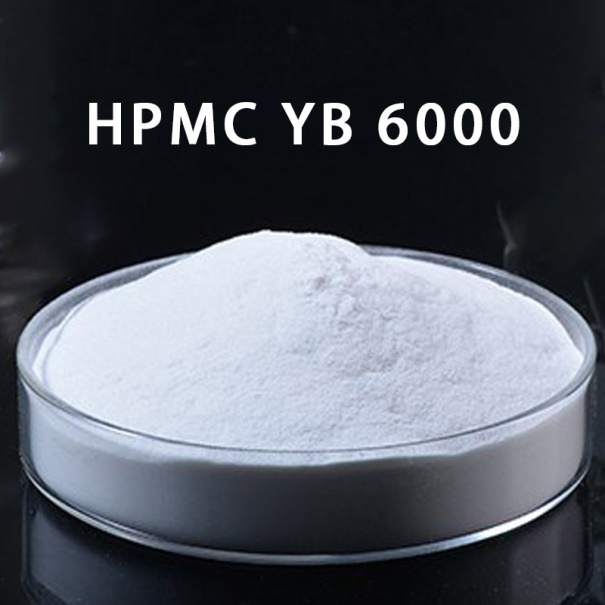
Recommended HPMC for Ceramics
Address
Mayu Chemical Industry Park, Jinzhou City, Hebei, China
Tel/Whatsapp
+86-311-8444 2166
+86 13785166166 (Whatsapp/Wechat)
+86 18631151166 (Whatsapp/Wechat)
Latest information
news