
Products
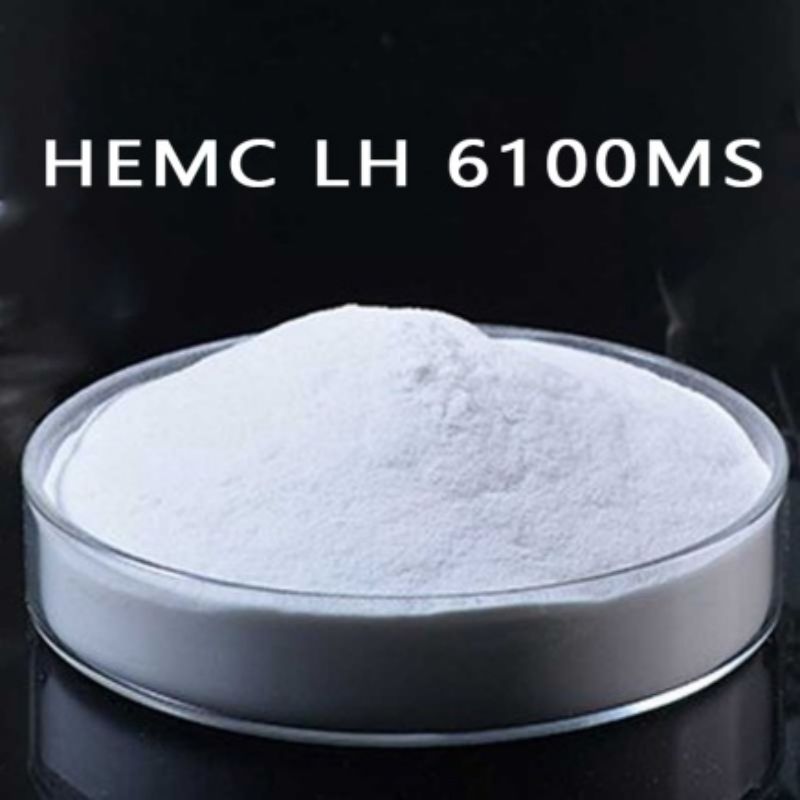


HEMC LH 6100MS
Specification of HEMC LH 6100MS
| Chemical name | Hydroxyethyl Methyl Cellulose |
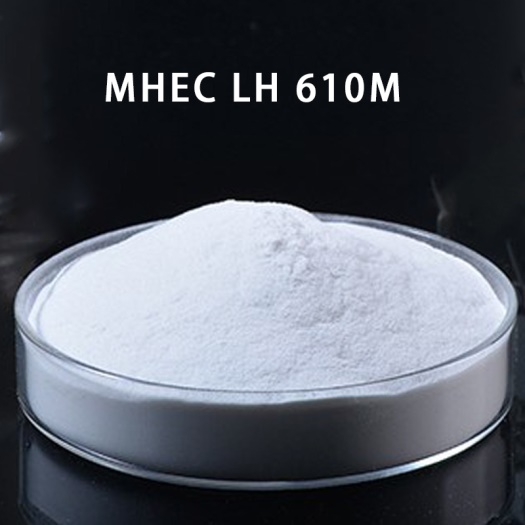
| Synonym | Cellulose ether, 2-hydroxyethyl methyl cellulose, Cellulose, 2-hydroxyethyl methyl ether, Methyl hydroxyethyl cellulose, HEMC, MHEC |
| CAS number | 9032-42-2 |
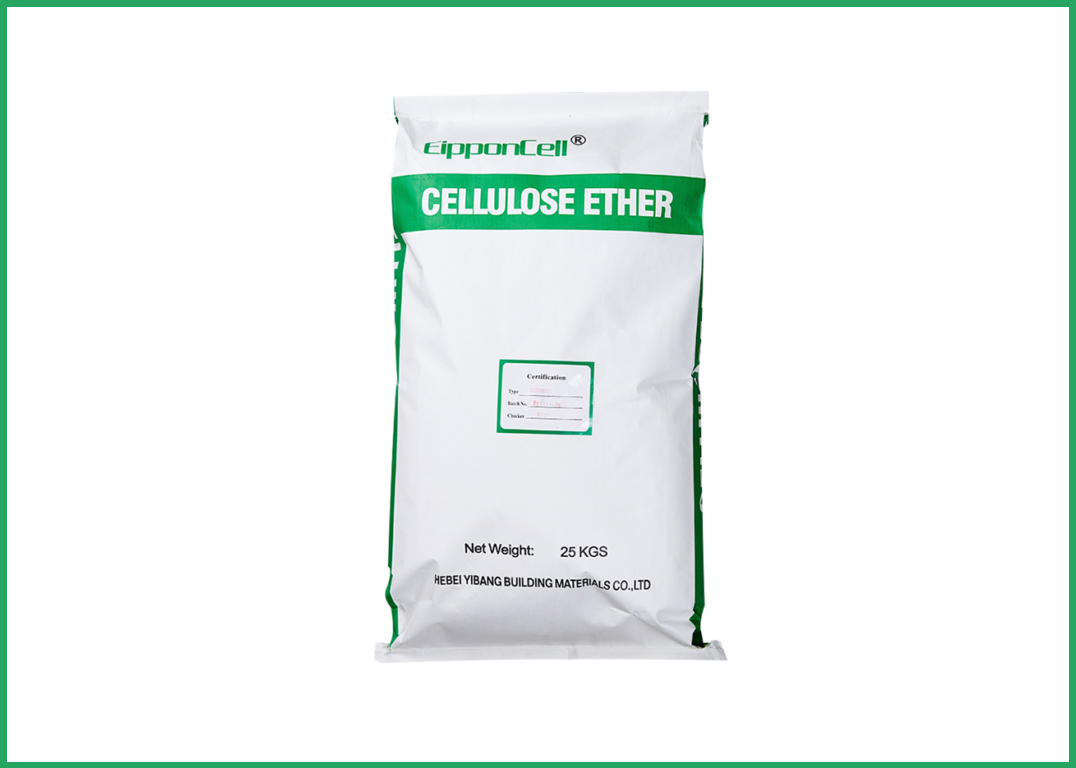
| Brand | EipponCell |
| Product Grade | HEMC LH6100MS |
| Solubility | Water Soluble Cellulose ether |
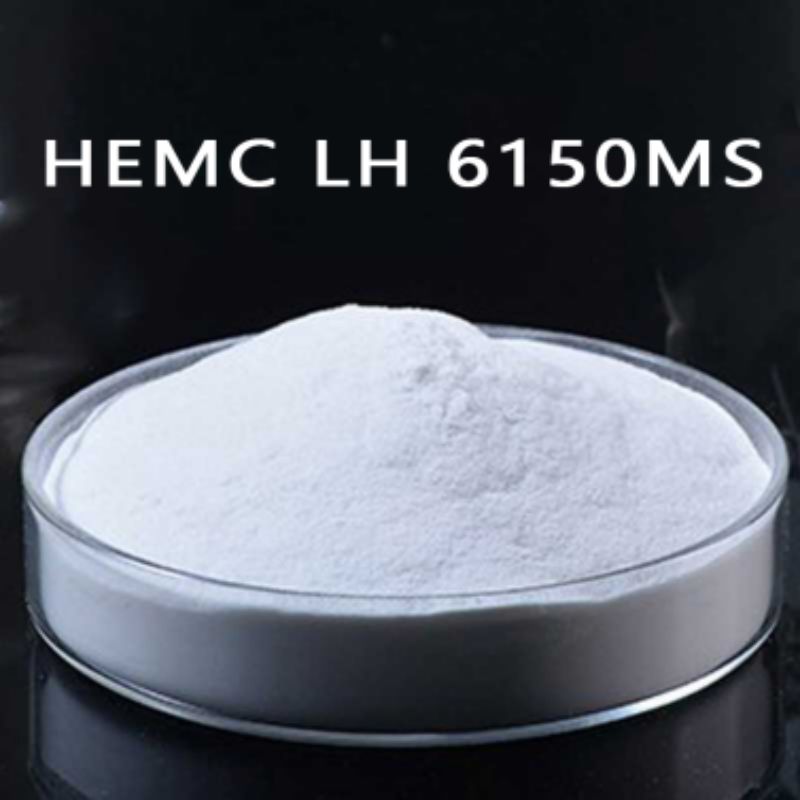
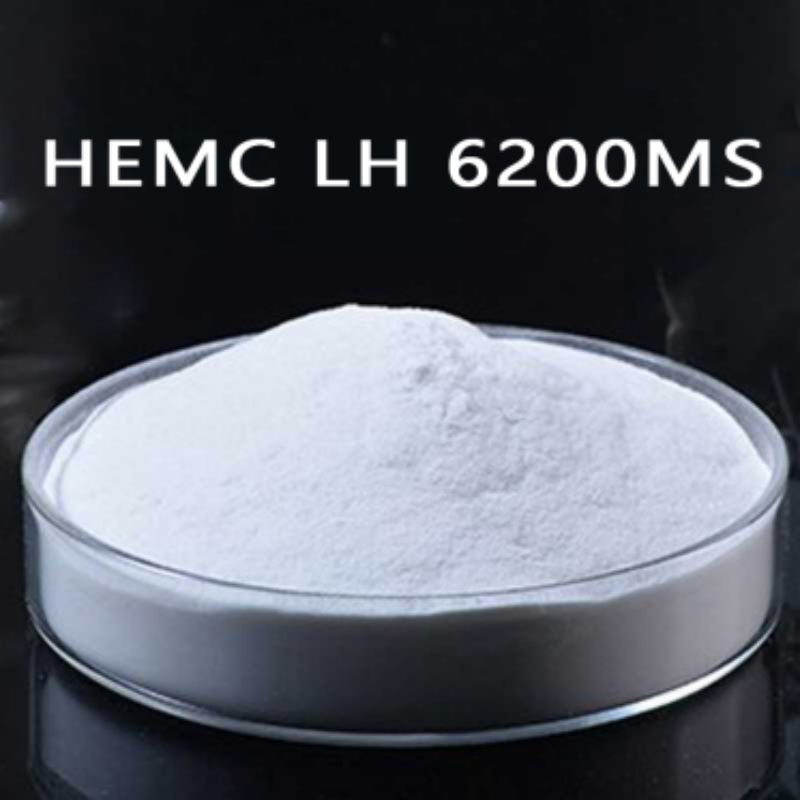
| Physical form | White to off-white cellulose powder |
| Moisture | Max.6% |
| PH | 4.0-8.0 |
| Viscosity Brookfield 2% solution | 24000-36000mPa.s |
| Viscosity NDJ 2% solution | 48000-72000mPa.S |
| Ash content | Max5.0% |
| Mesh size | 99% pass 100mesh |
| HS code | 39123900 |
Application of HEMC LH 6100MS
EipponCell® HEMC LH6100MS Hydroxyethyl Methyl Cellulose emerges as a water-soluble rheological enhancer, and its applications extend to various daily chemical products such as toothpaste, shampoo, shower gel, hand sanitizer, and shoe polish. Its primary role lies in thickening these products while preventing the settling of insoluble substances.
Shower gel, also recognized as body wash, represents a liquid cleanser integral to the bath experience. Distinguishing itself from traditional soap, it offers a more pleasant tactile sensation and gently nurtures the skin's moisture balance.
Within the context of shower gel, HEMC LH6100MS plays a pivotal role. It ensures the stable suspension of mica particles in the gel, enhancing its color and harnessing the skin-cleansing benefits of mica. This combination imparts a smoother feel, mild moisturization, and robust cleansing power to the shower gel. Remarkably, when compared to conventional acrylic copolymer thickeners, HEMC and sodium chloride collaborate as synergistic thickeners. This tandem thickening approach not only guarantees formula stability but also accelerates foaming without necessitating heating or defoaming. The resultant advantages include heightened production efficiency, simplified operations, cost-effectiveness, and a stable formula that lends itself well to broad promotion.
Documents of HEMC LH 6200M
Recommended HEMC for Building & Construction
Address
Mayu Chemical Industry Park, Jinzhou City, Hebei, China
Tel/Whatsapp
+86-311-8444 2166
+86 13785166166 (Whatsapp/Wechat)
+86 18631151166 (Whatsapp/Wechat)
Latest information
news