
Products
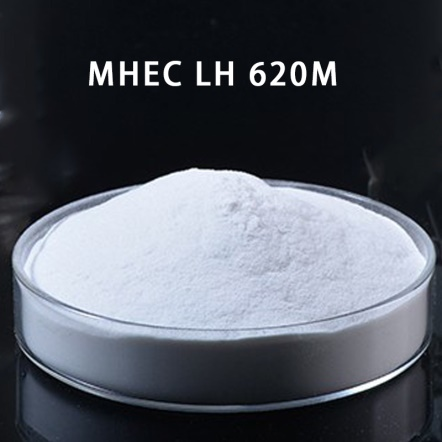
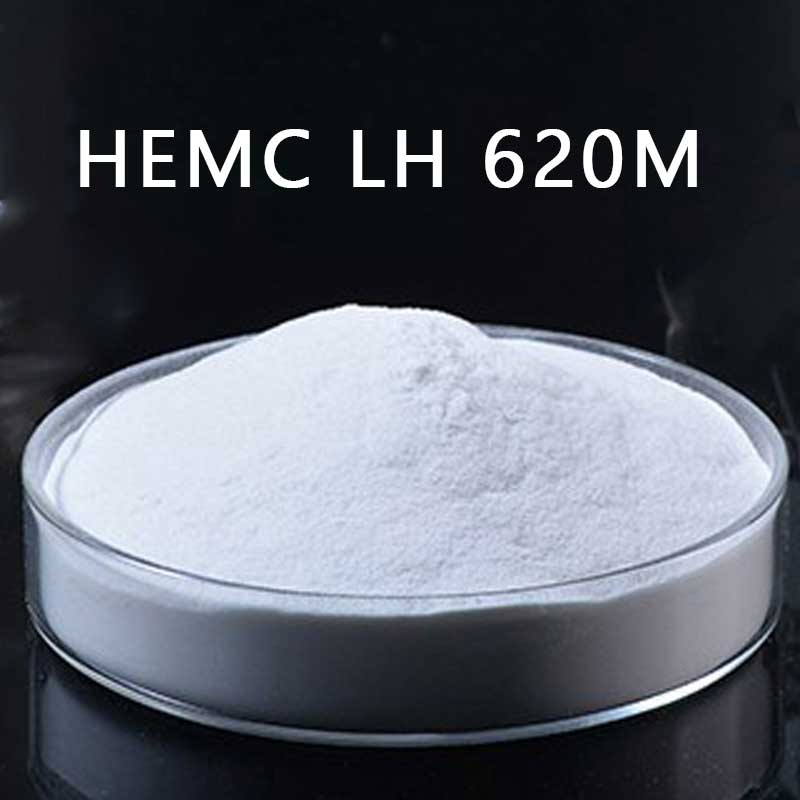
MHEC LH 620M
Specification of MHEC LH 620M
| Chemical name | Methyl Hydroxyethyl Cellulose |
| Synonym | Cellulose ether, 2-hydroxyethyl methyl cellulose, Cellulose, 2-hydroxyethyl methyl ether, hydroxyethyl Methyl cellulose, MHEC, HEMC |
| CAS number | 9032-42-2 |
| Brand | EipponCell |
| Product Grade | MHEC LH 620M |
| Solubility | Water Soluble Cellulose ether |
| Physical form | White to off-white cellulose powder |
| Moisture | Max.6% |
| PH | 4.0-8.0 |
| Viscosity Brookfield 2% solution | 10000-20000mPa.s |
| Viscosity NDJ 2% solution | 16000-24000mPa.S |
| Ash content | Max5.0% |
| Mesh size | 99% pass 100mesh |
| HS code | 39123900 |
Application of MHEC LH 620M
EipponCell MHEC LH 620M methyl hydroxyethyl cellulose is utilized in gypsum slurry to provide a noticeable thickening effect. At room temperature, as the viscosity and dosage of cellulose ether increase, its thickening effect becomes more pronounced. However, as the temperature rises, the viscosity of cellulose ether decreases, resulting in a weakening of its thickening effect. This leads to a decrease in yield shear stress, plastic viscosity, and pseudoplasticity of the gypsum mixture, ultimately resulting in poor workability.
Cellulose ether enhances the water retention of gypsum. However, as the temperature increases, the water retention of modified gypsum significantly decreases and even completely loses its water retention improvement effect at 60 °C. The water retention rate of gypsum slurry is significantly improved by cellulose ether, and the water retention rate gradually reaches a saturation point with the increase in content for HPMC modified gypsum slurry with different viscosities. Generally, the water retention of gypsum is proportional to the viscosity of cellulose ether, but it has little effect at high viscosity.
The changes in water retention of cellulose ethers with temperature are closely related to the microscopic morphology of cellulose ethers in the liquid phase. At a certain concentration, cellulose ether tends to aggregate and form large colloidal associations, effectively blocking the water delivery channels of the gypsum mixture to achieve efficient water retention. However, as the temperature rises, the thermal gelation properties of cellulose ether cause the previously formed large colloidal associations to re-disperse, resulting in a decrease in water retention.
Documents of MHEC LH 620M
Recommended HEMC for Building & Construction
Address
Mayu Chemical Industry Park, Jinzhou City, Hebei, China
Tel/Whatsapp
+86-311-8444 2166
+86 13785166166 (Whatsapp/Wechat)
+86 18631151166 (Whatsapp/Wechat)
Latest information
news