
page_banner

Products

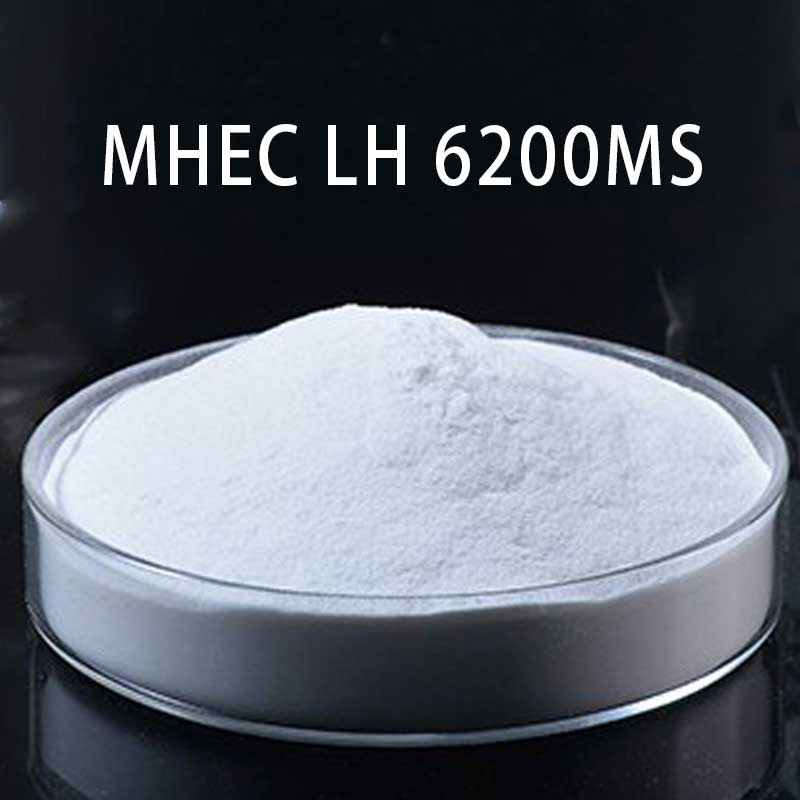
MHEC LH 6200MS

EipponCell® MHEC LH 6200MS methyl hydroxyethyl cellulose is a cellulose-based polymer compound characterized by an ether structure. Within the cellulose macromolecule, each glucosyl ring contains three hydroxyl groups, namely the primary hydroxyl group on the sixth carbon atom and the secondary hydroxyl groups on the second and third carbon atoms.

Through the process of etherification, the hydrogen in the hydroxyl groups is replaced by hydrocarbon groups, resulting in the generation of cellulose ether derivatives. Cellulose ether is a polyhydroxy polymer compound that does not dissolve or melt in its native form. However, after undergoing etherification, cellulose becomes soluble in water, dilute alkali solutions, and organic solvents.

Additionally, it exhibits thermoplasticity, allowing it to be shaped and molded when exposed to heat.

Where to buy Cas  MHEC LH 6200MS


Product Detail

Product Tags

Specification of MHEC LH 6200MS

Chemical name Methyl Hydroxyethyl Cellulose
Synonym Cellulose ether, 2-hydroxyethyl methyl cellulose, Cellulose, 2-hydroxyethyl methyl ether, hydroxyethyl Methyl cellulose, MHEC, HEMC
CAS number 9032-42-2
Brand EipponCell
Product Grade MHEC LH 6200MS
Solubility Water Soluble Cellulose ether
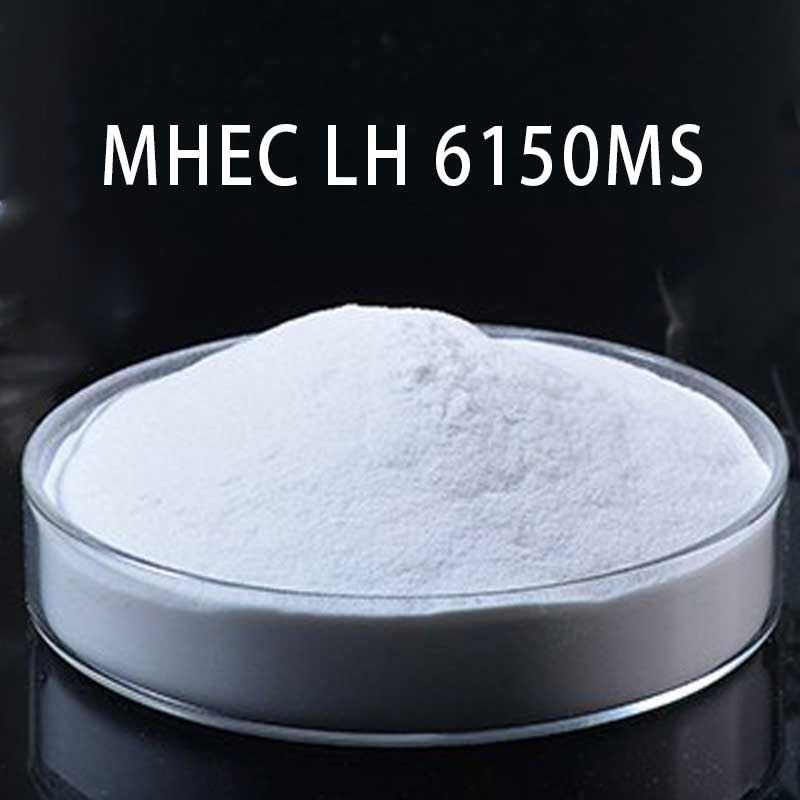
Physical form White to off-white cellulose powder
Moisture Max.6%
PH 4.0-8.0
Viscosity Brookfield 2% solution 70000-80000mPa.s
Viscosity NDJ 2% solution 160000-240000mPa.S
Ash content Max5.0%
Mesh size 99% pass 100mesh
HS code 39123900

Application of MHEC LH 6200MS

EipponCell® MHEC LH 6200MS methyl hydroxyethyl cellulose finds extensive applications across various industries including laundry detergent, latex paint, oil fields, mining, polymer polymerization, building materials, daily chemicals, food, pharmaceuticals, papermaking, and textile printing and dyeing.

As a non-ionic cellulose ether, MHEC exhibits superior performance in areas such as thickening, emulsification, film formation, protective colloid, moisture retention, adhesion, and anti-allergy compared to ionic cellulose ethers.


MHEC products have demonstrated remarkable adaptability since their inception.   With technological advancements and the emergence of new sectors, MHEC is poised to find wider applications in diverse fields.   Looking at the current development trends, the upcoming years will witness the integration of industry resources, enabling enterprises to leverage their respective advantages and specialize in specific areas.   This will result in the establishment of unique enterprise strengths, product advantages, brand positioning, and cost advantages.   After intense competition, including homogenization and price suppression, enterprises will adopt a more rational and specialized approach.   Through integration, they will cultivate their distinctive characteristics and core competencies.

Documents of MHEC LH 6150MS

Recommended HEMC for Detergent
Recommended HEMC for
Recommended HEMC for 2

Address

 Mayu Chemical Industry Park, Jinzhou City, Hebei, China

E-mail

sales@yibangchemical.com

Tel/Whatsapp

+86-311-8444 2166
+86 13785166166 (Whatsapp/Wechat)
+86 18631151166 (Whatsapp/Wechat)


  • Previous:
  • Next:

  • Write your message here and send it to us

    Latest information

    news

    news_img
    Methyl hydroxypropyl cellulose (HPMC) cellulose ether is one of the most important base materials used in mortar. It has good water retention, adhesion and thixotropic characteristics due to ...

    Custom HPMC Cellulose Grades | Free...

    Standard off‑the‑shelf HPMC grades can satisfy most general‑purpose dry‑mix mortar formulas. However, many dry‑mortar manufacturers face unique challenges from local raw‑material differences, special construction climate, distinctive product positioning and proprietary formulation systems. Ready‑...

    Where to Buy Quality HPMC Cellulose...

    For dry‑mix mortar manufacturers, importers and distributors worldwide, sourcing high‑quality HPMC cellulose is critical to guarantee finished‑product performance. Poor‑quality HPMC will trigger frequent site complaints including mortar cracking, sagging, poor water retention and insufficient bon...

    HPMC vs MHEC vs HEMC: Key Differenc...

    Cellulose ethers are essential functional additives for modern dry‑mix mortar production. HPMC, MHEC and HEMC are three of the most widely used non‑ionic cellulose ethers in the global construction chemical industry. Many dry‑mortar formulators and building material buyers often get confused abou...