
page_banner

Products

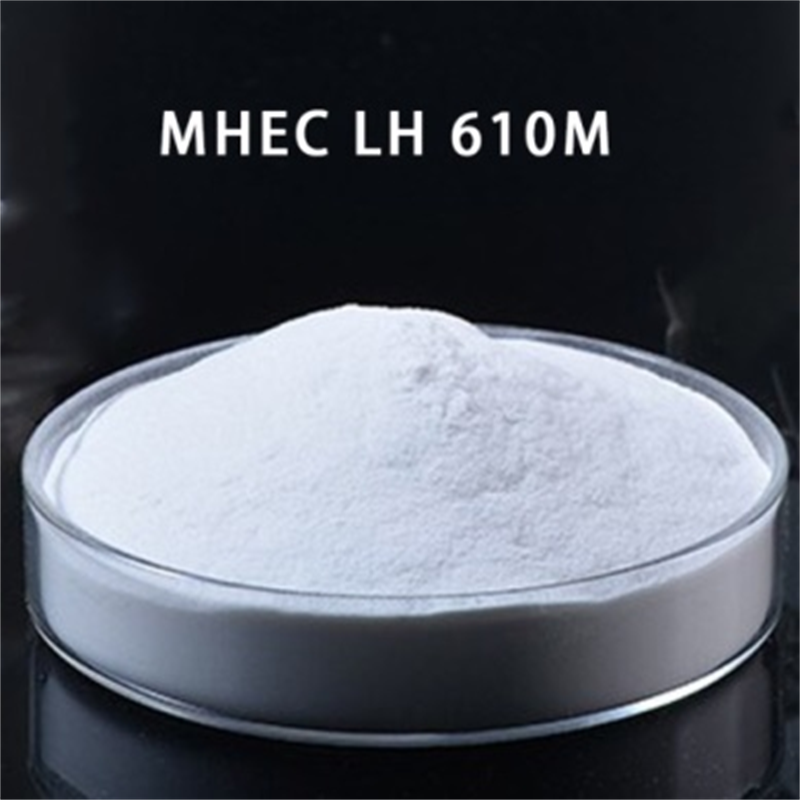
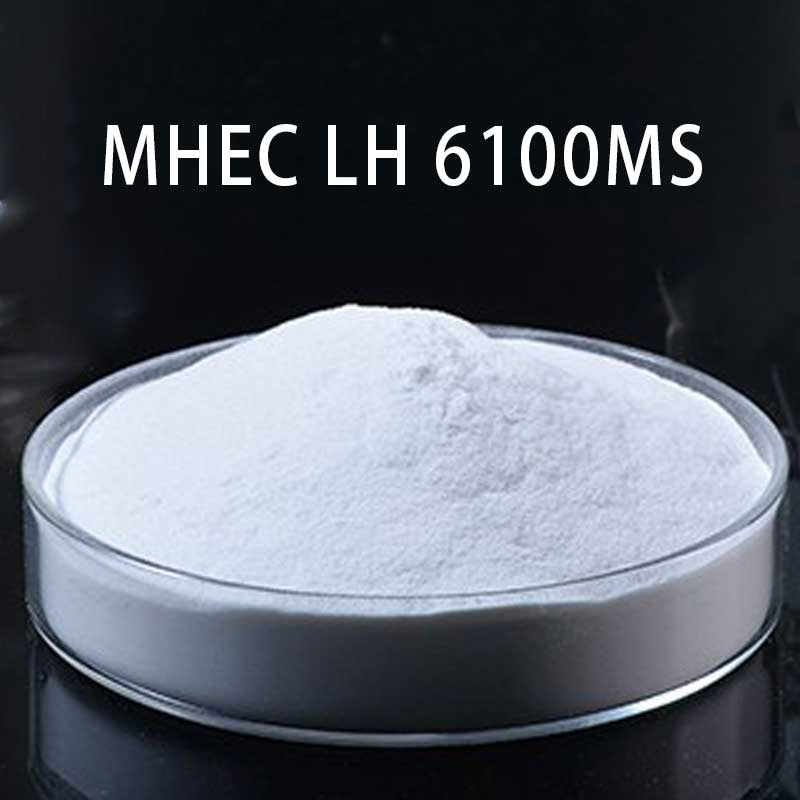
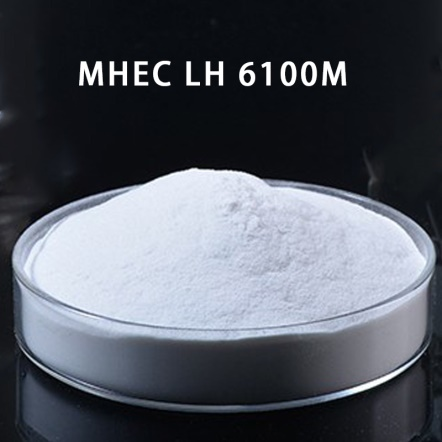
MHEC LH 6100M

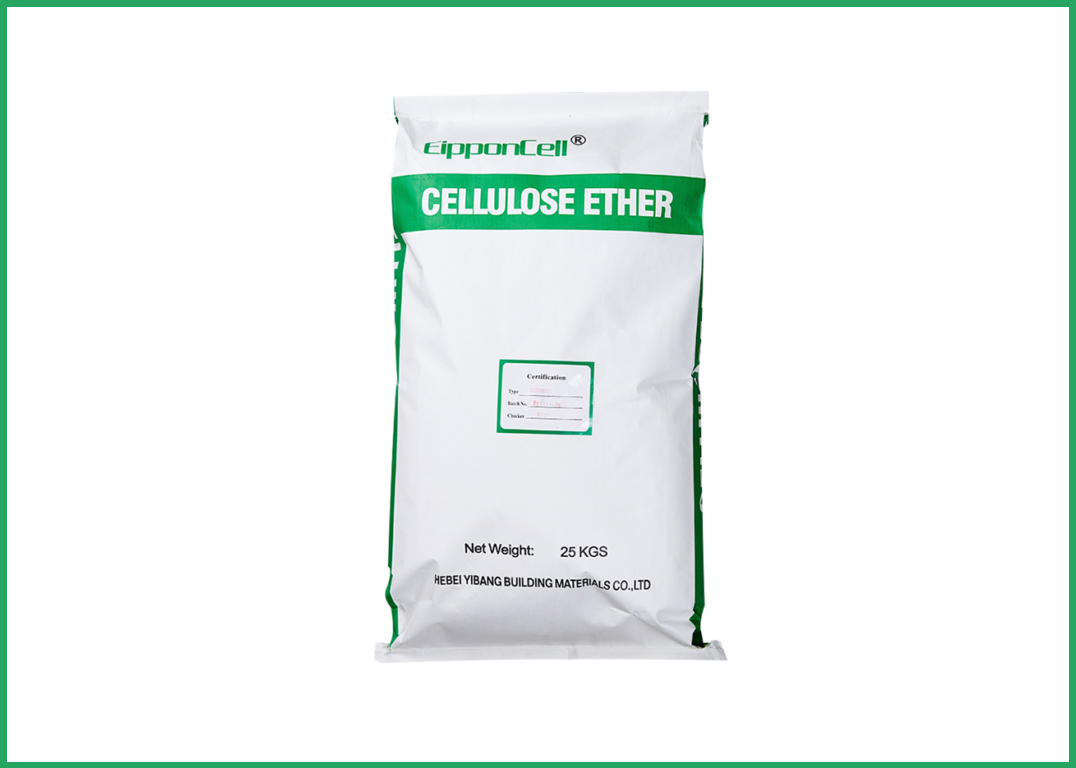
EipponCell® MHEC LH 6100M, a methyl hydroxyethyl cellulose, has a significant impact on the performance of cement-based materials and presents a challenging decision in its selection process. Based on the classification of substituents according to their chemical structure, cellulose ethers can be categorized into anionic, cationic, and nonionic types. As the construction industry demands higher performance and quality for polymer cement, the inclusion of additives for its modification has become a prominent area of research. Cellulose ether, particularly, has gained widespread usage due to its water retention, thickening, retardation, and gas-related functions.


Product Detail

Product Tags

Specification of MHEC LH 6100M

Chemical name Methyl Hydroxyethyl Cellulose
Synonym Cellulose ether, 2-hydroxyethyl methyl cellulose, Cellulose, 2-hydroxyethyl methyl ether, hydroxyethyl Methyl cellulose, MHEC, HEMC
CAS number 9032-42-2
Brand EipponCell®
Product Grade MHEC LH 6100M
Solubility Water Soluble Cellulose ether
Physical form White to off-white cellulose powder
Moisture Max.6%
PH 4.0-8.0
Viscosity Brookfield 2% solution 40000-55000mPa.s
Viscosity NDJ 2% solution 80000-120000mPa.S
Ash content Max5.0%
Mesh size 99% pass 100mesh
HS code 39123900

Application of MHEC LH 6100M

EipponCell® MHEC LH 6100M methyl hydroxyethyl cellulose is utilized in cement mortar as a water-retaining agent, serving to prevent premature evaporation or absorption of moisture in the wet mortar by the substrate. It effectively delays cement hydration, thereby extending the working time of the wet mortar. This ensures that thin-layer mortar can be applied smoothly, plastering mortar can be spread easily, and absorbent mortar doesn't require pre-wetting, among other benefits. To further prolong cement hydration and hardening time, and maintain the fresh mortar's plasticity, a common retarder in polymer cement, namely non-ionic cellulose ether, is added to the mortar. This retarder helps adjust the setting time of the fresh mortar, enhances its workability, and improves overall operability.

Documents of MHEC LH 6100M

Recommended HEMC for Building & Construction
syerd (3)
syerd (1)

Address

 Mayu Chemical Industry Park, Jinzhou City, Hebei, China

E-mail

sales@yibangchemical.com

Tel/Whatsapp

+86-311-8444 2166
+86 13785166166 (Whatsapp/Wechat)
+86 18631151166 (Whatsapp/Wechat)


  • Previous:
  • Next:

  • Write your message here and send it to us

    Latest information

    news

    news_img
    Methyl hydroxypropyl cellulose (HPMC) cellulose ether is one of the most important base materials used in mortar. It has good water retention, adhesion and thixotropic characteristics due to ...

    HPMC Manufacturer Insights: How Vis...

    For applications such as tile adhesives, dry-mix mortars, wall putty, and plasters, viscosity stability is one of the most critical performance indicators of HPMC (Hydroxypropyl Methylcellulose). Inconsistent viscosity can lead to poor workability, unstable open time, and unpredictable applicatio...

    Eco-Friendly HPMC Manufacture Suppo...

    As the construction industry increasingly prioritizes sustainability, the demand for eco-friendly additives has grown. HPMC (Hydroxypropyl Methylcellulose) plays a vital role in modern construction materials such as tile adhesives, mortars, plasters, and wall putty, enhancing workability, water r...

    Quality Control in HPMC Manufacturi...

    In the production of HPMC (Hydroxypropyl Methylcellulose), quality control is the cornerstone of performance, consistency, and reliability. For applications like tile adhesives, dry-mix mortars, wall putty, and plasters, HPMC quality directly affects water retention, workability, and bonding stre...