
page_banner

Products

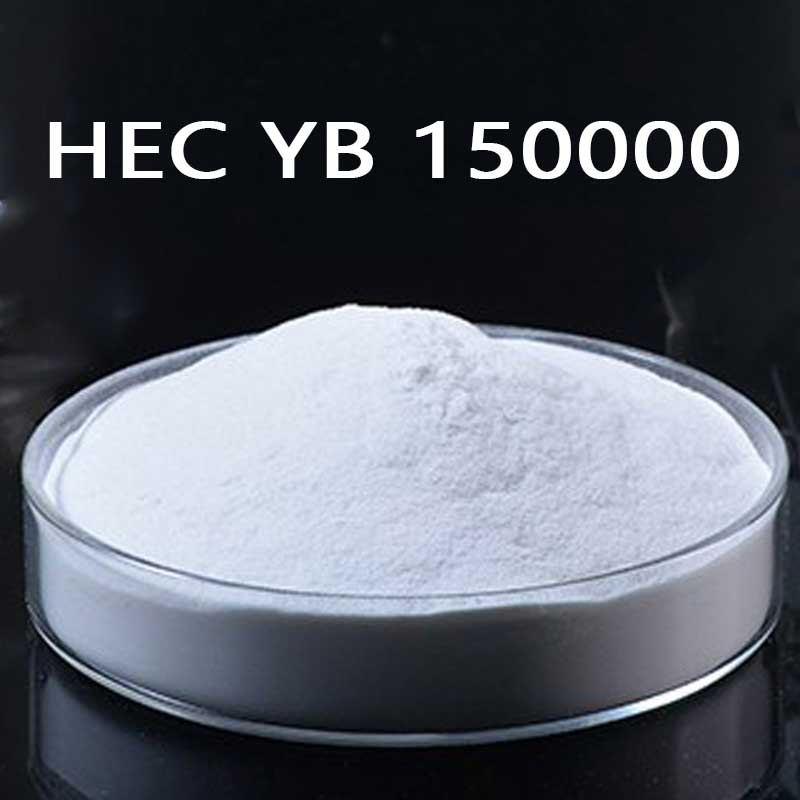
HEC YB 150000

The versatile application of EipponCell® HEC YB 150000 in the realm of skincare and daily-use products continues to expand.   This cellulose ether is finding widespread use in an array of products such as detergents, liquid soaps, hair care shampoos, and hair creams.   Furthermore, its presence is increasingly prevalent in nutritional lotions, fats, creams, lotions, and ointments.

In the capacity of a binder, HEC proves invaluable in fortifying binders against high-concentration ions, leading to a significant enhancement in the storage stability of pastes.   This, in turn, extends the storage lifespan of various products, including toothpaste.   Remarkably, toothpaste manufacturers can seamlessly incorporate HEC into high-salt toothpaste formulations with minimal impact on overall product cost. The versatility and cost-effectiveness of HEC make it a valuable ingredient in the formulation of a wide range of skincare and daily-use products.

Where to buy Cas HEC YB 150000


Product Detail

Product Tags

Specification of HEC YB 150000

Chemical name Hydroxyethyl Cellulose
Synonym 2-Hydroxy ethyl cellulose; Cellulose hydroxyethyl ether, Cellulose ether, Hydroxyethyl Cellulose
CAS number 9004-62-0
Brand EipponCell
Product Grade HEC YB 150000
Solubility Water Soluble Cellulose ether
Physical form White to off-white cellulose powder
PH(1%) 5.0 – 8.0
Degree of substitution 1.8 - 2.5
Viscosity Brookfield, 1% solution 7000-8000 mPa.s
Viscosity NDJ 2% Solution 120000-180000 mPa.s
Moisture Max5%
Ash content Max5%
HS code 39123900

Application of HEC YB 150000

EipponCell® HEC YB 150000 Hydroxyethyl cellulose plays a vital role in various skincare applications. Renowned for its outstanding resistance to solubility challenges posed by electrolytes, this HEC variant maintains stability even under high concentrations of salts. It stands out as the optimal choice for thickening soap-based shower gels, offering a viscosity specification of 150,000mPa.S.

In the realm of hand sanitizers, where the solubility of disinfectants and bactericides can vary significantly, the addition of HEC proves instrumental. HEC facilitates the creation of a uniform and stable emulsified system, ensuring consistent performance and efficacy.

Furthermore, HEC exhibits remarkable capabilities in emulsifying, thickening, and stabilizing oil/water or water/oil cream skincare products. Its recommended dosage ranges from 0.1% to 0.5%, showcasing its versatility and efficiency in enhancing the formulation of various skincare solutions.

Documents of HEC YB 150000

Recommended Hydroxyethylcellulose in Skin Care
图片 2

Address

 Mayu Chemical Industry Park, Jinzhou City, Hebei, China

E-mail

sales@yibangchemical.com

Tel/Whatsapp

+86-311-8444 2166
+86 13785166166 (Whatsapp/Wechat)
+86 18631151166 (Whatsapp/Wechat)


  • Previous:
  • Next:

  • Write your message here and send it to us

    Latest information

    news

    news_img
    Methyl hydroxypropyl cellulose (HPMC) cellulose ether is one of the most important base materials used in mortar. It has good water retention, adhesion and thixotropic characteristics due to ...

    HPMC vs MHEC vs HEMC: Key Differenc...

    Cellulose ethers are essential functional additives for modern dry‑mix mortar production. HPMC, MHEC and HEMC are three of the most widely used non‑ionic cellulose ethers in the global construction chemical industry. Many dry‑mortar formulators and building material buyers often get confused abou...

    Low Ash Content HPMC Powder | Premi...

    High‑grade building materials such as premium wall putty, high‑end gypsum plaster, decorative mortar and special tile adhesive put forward extremely strict requirements on raw material purity. Ash content is one key indicator that distinguishes ordinary HPMC powder from premium‑grade cellulose et...

    HPMC Cellulose for Dry‑Mix Mortar: ...

    Dry-mix mortar performance largely depends on stable water retention and excellent workability. Pure cement-sand mortar suffers from rapid water loss, stiff texture, poor trowelling experience and frequent construction defects including shrinkage cracking, hollowing and powder falling. As the cor...